The Music Industry is No Longer About Labels. It is About Empowerment.
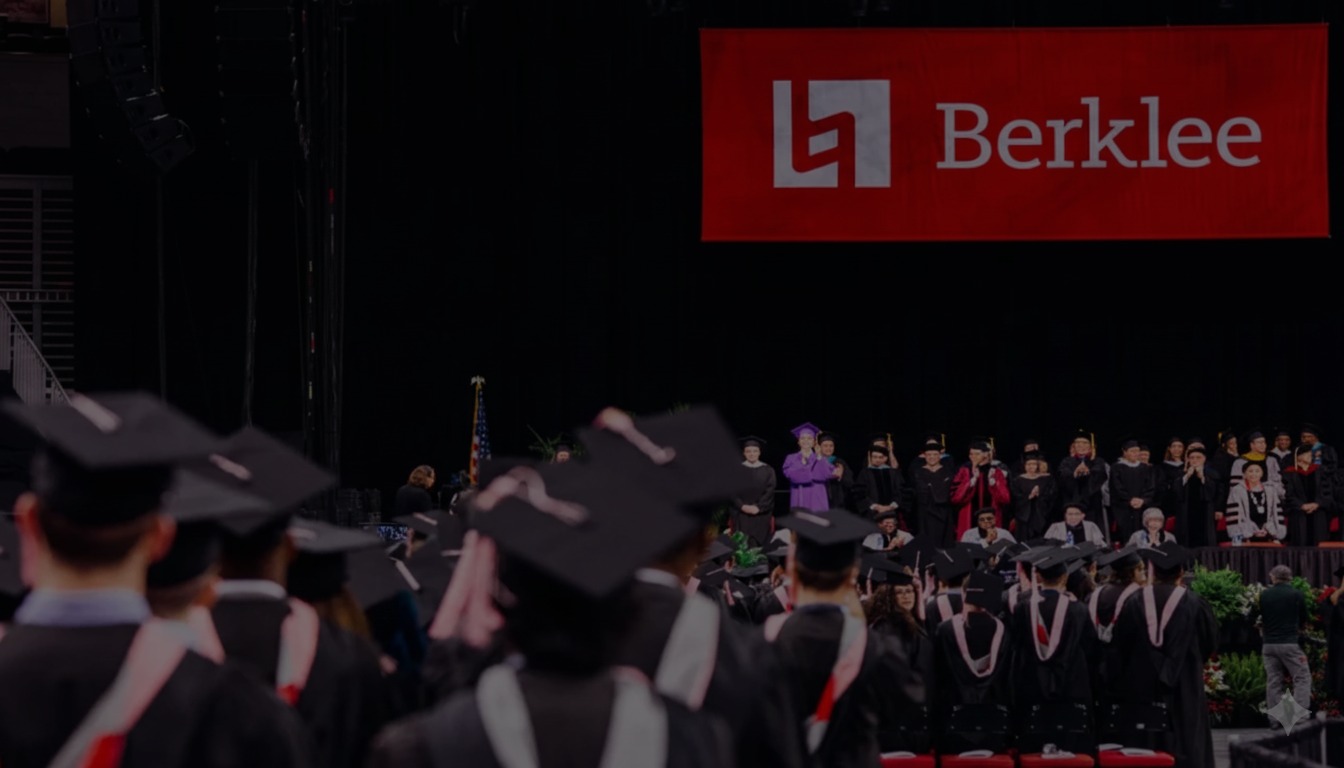
The most important lesson I carried from Music Business 101 at Berklee Online is that the music industry is no longer defined primarily by record labels. Instead, it is increasingly about artists learning how to empower themselves.
In the past, aspiring musicians had little choice but to pursue a major record deal. Labels were the only institutions capable of funding studio time, producing albums, and distributing music on a wide scale. Today, however, the landscape has changed completely. A musician can record at home, upload their work to platforms such as Spotify or YouTube, and begin building an audience with relatively few resources. This shift is liberating, but it also places new expectations on artists. They are now required to manage not only their music, but also their promotion, marketing, and audience engagement. While this independence is exciting, it can quickly become overwhelming.
This is why I believe the future lies in what I now describe as “Do It With Others” (DIWO). While the “Do It Yourself” model enabled a new generation of artists, sustaining a long-term career requires collaboration. Surrounding oneself with managers, branding specialists, engineers, and business advisors allows musicians to maintain their creativity without being stretched too thin. Many of the most successful independent artists already approach their careers as entrepreneurs who are building small but effective creative enterprises.
Revenue streams such as streaming, live performance, licensing, merchandise, and sponsorships are now central to the modern music business. The traditional dominance of labels is declining, while flexible companies such as Empire show that artist-first models are both practical and effective. This evolution allows musicians to choose the level of independence they prefer while still accessing global audiences.
My greatest takeaway is that music careers today are built at the intersection of creativity and entrepreneurship. A strong song or performance is no longer sufficient on its own. Artists must also bring perspective, professionalism, and the willingness to operate as both creators and business leaders. Whether they work with a major label, remain fully independent, or pursue a hybrid path, the essential challenge is to create structures that empower rather than exploit.
The industry will continue to evolve, but it is increasingly clear that those who balance artistry with entrepreneurial vision will define its future.
